
Human Health Begins in the Soil
Regenerative Agriculture as Preventative Health
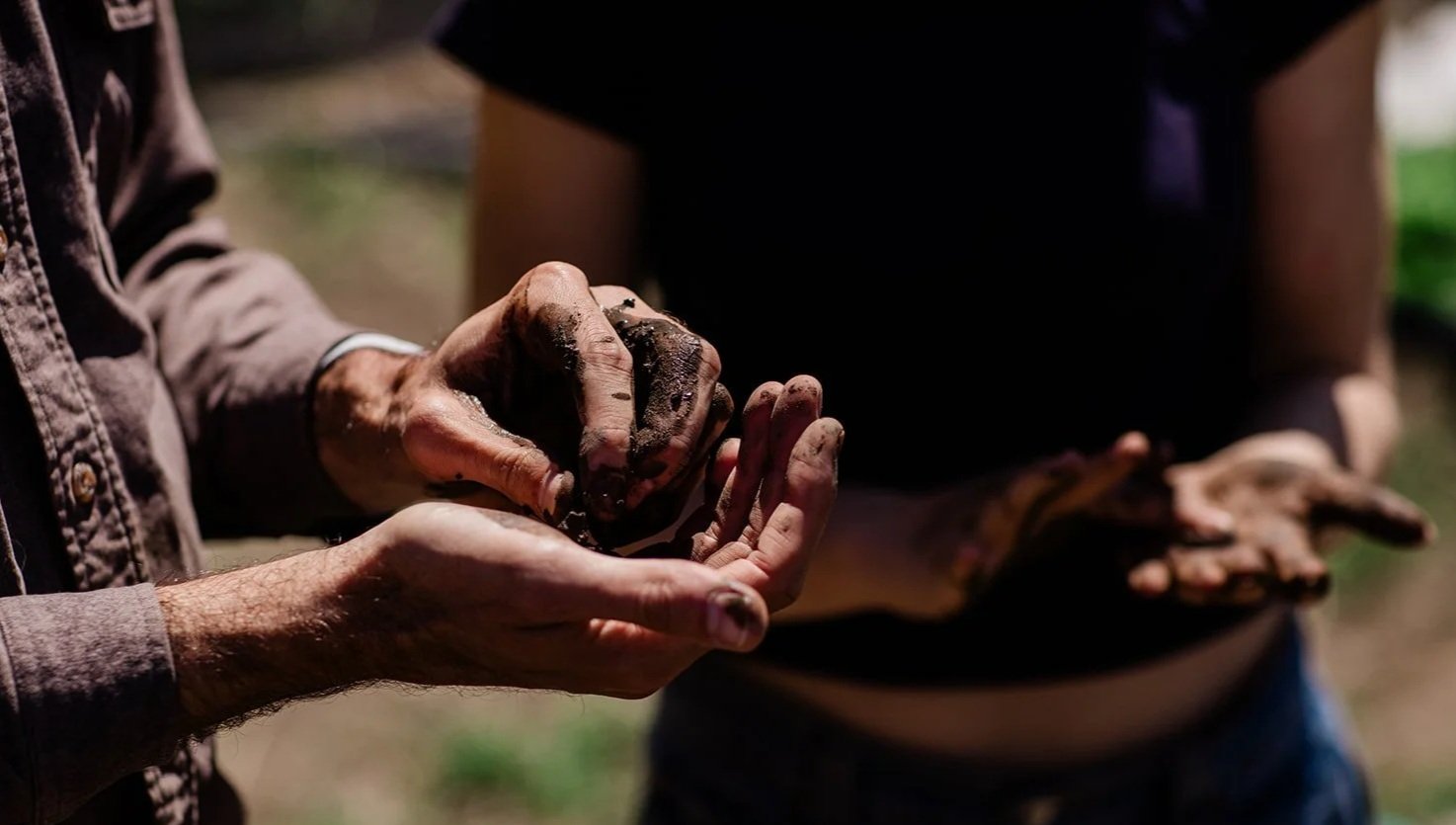
The Question Upstream
If Food Is Medicine is to become more than a slogan, and a lived reality for more people, we must ask a deeper question.
Where does medicine begin?
Not in the clinic.
Not in the kitchen.
But in the soil.
Across the United States, healthcare systems are piloting produce prescriptions, medically tailored meals, and nutrition-based interventions within patient care. Public health leaders increasingly recognize that diet quality influences long-term health outcomes, even as formal nutrition education remains limited in many medical training pathways.
Yet much of the conversation begins at the plate.
Climate Farm School is asking an upstream question:
How do agricultural systems shape human health?
Soil → Food → Gut → Immune System
Healthy soils are biologically active ecosystems. Soil microbial communities mobilize minerals such as zinc, iron, and phosphorus and form mycorrhizal networks that extend plant root systems.
Agricultural systems influence nutrient availability.
Nutrient availability influences plant composition.
Plant composition shapes the compounds that reach the human gut.
The gut microbiome plays a central role in immune regulation, inflammation pathways, and metabolic resilience.
This is not a metaphor. It is a biological continuum.
What the Data Suggests
Recent farm comparison studies associate soil-building practices such as cover cropping, diversified rotations, and reduced tillage with higher concentrations of certain vitamins, minerals, and phytochemicals in crops.
Soil science research in the 2020s further clarifies the mechanisms. Soil organic carbon and microbial diversity influence nutrient cycling and plant access to minerals.
In What Your Food Ate, David Montgomery and Anne Biklé synthesize hundreds of peer-reviewed studies exploring the relationship between soil health and crop nutrient expression. While the data are complex and still evolving, a consistent theme emerges:
Agricultural systems matter.
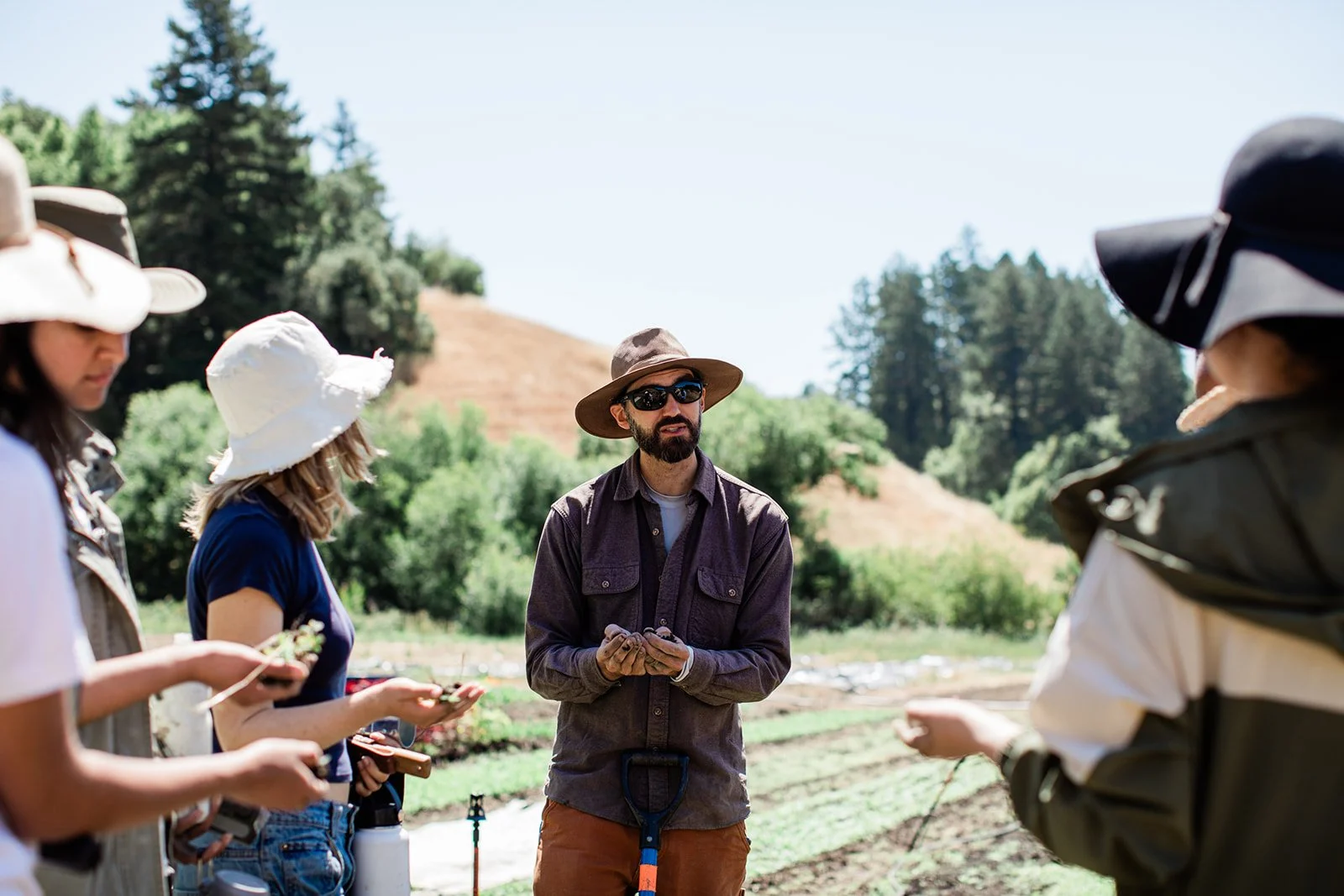
Greg Richardson discussing soil health with course participants.
Regenerative Agriculture as Preventative Health
Regenerative agriculture has largely been framed as a climate strategy.
It is also a public health strategy.
Practices such as:
• Increasing soil organic matter
• Integrating livestock
• Reducing synthetic inputs
• Diversifying crop rotations
• Protecting surrounding ecosystems
Strengthen ecological resilience.
Ecological resilience supports food system stability.
Food system stability shapes community health outcomes.
The future of preventative health will require collaboration between:
Farmers
Dietitians
Physicians
Public health researchers
Food entrepreneurs
Voices from the Field
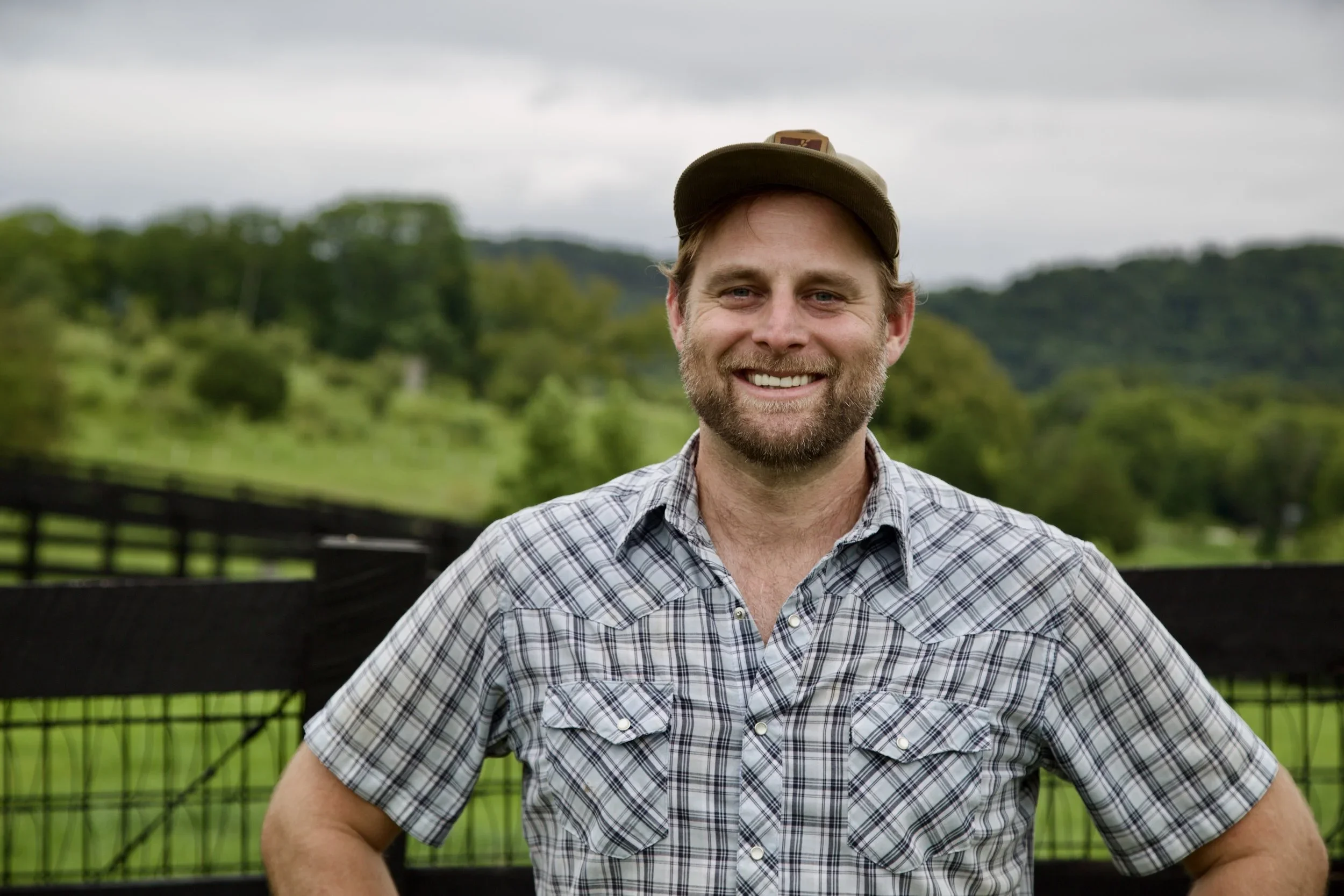
Asher Wright of Caney Fork Farms
In our recent Conversation Series with Asher Wright of Caney Fork Farms, we explored the complexity of translating soil health into measurable food quality outcomes.
Asher emphasized:
• Nutrient density is influenced by interacting variables
• Farming systems cannot be reduced to input substitution
• Soil biology, management, and time all matter
There are no shortcuts.
This complexity underscores the need for interdisciplinary learning environments.
Watch the whole conversation here.
Expanding the Network: Health & Regenerative Systems
In 2026, Climate Farm School is deepening its engagement within the health and wellness ecosystem.
Our growing network includes:
• Registered dietitians such as Laura McLively, RD
• Physicians including Andrea Dalve-Endres
• Advisors such as Dr. Kris Madsen, Professor of Public Health at Berkeley
• Healthcare partners at VUMC, Alameda County Recipe4Health, and NYU Langone
• Host farmers like Elizabeth Kaiser, a former Registered Nurse
• Teaching Fellows such as Stephanie Fischer integrating lifestyle and osteopathic medicine with regenerative agriculture
• Grain farmers like Mai Nguyen, bridging milling, biodiversity, and community nourishment
This cross-sector dialogue is not optional. It is foundational.
Green Valley as a site of farm-based continued education
This April at Green Valley Farm, Climate Farm School will host a cohort exploring regenerative agriculture through the lens of human health.
Participants will engage in:
• Field-based systems learning in soil health and regenerative farming
• Anti-inflammatory nutrition frameworks
• Cross-disciplinary dialogue
This cohort is one step in a broader inquiry.
What becomes possible when farmers, physicians, dietitians, and researchers share a common language around soil biology, nutrient density, and immune resilience?
The question is no longer whether food influences health.
The question is whether we are prepared to examine and protect the ecological systems that shape that food.
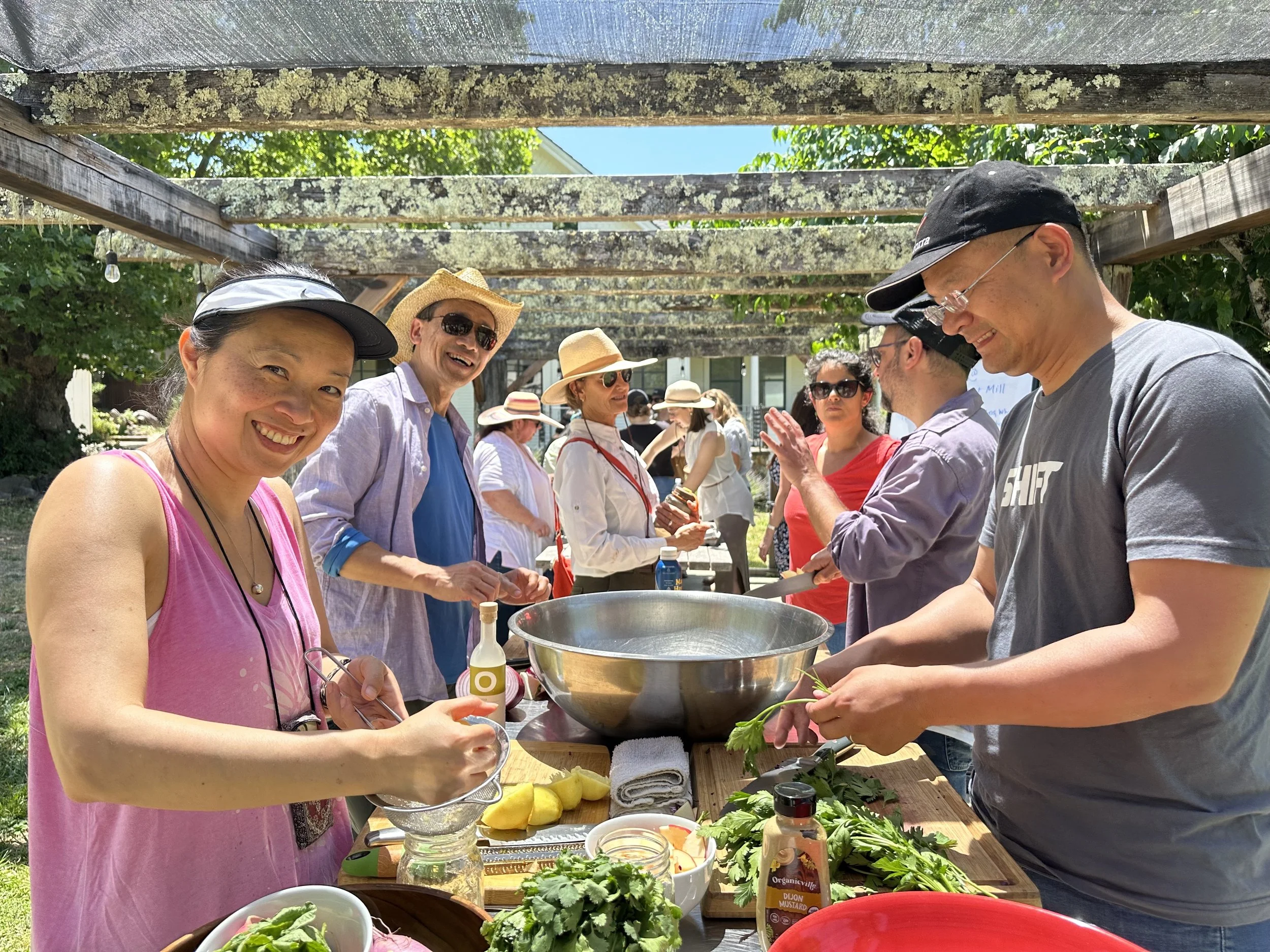
San Francisco Unified School District Nutrition staff at a Climate Farm School workshop.
The Future of Health is Ecological
The separation between agriculture and healthcare is artificial.
If soil health influences plant composition,
and plant composition influences the gut microbiome,
and the gut microbiome influences immune function,
then agriculture belongs in the health conversation.
The future of preventative health is ecological.
Human health begins in the soil.
Selected Research Threads Informing This Inquiry
Davis et al., 2004.
“Changes in USDA Food Composition Data for 43 Garden Crops, 1950 to 1999.”
Journal of the American College of Nutrition
Documented long-term declines in several micronutrients across major crops over time, raising questions about agricultural practices and nutrient outcomes.
Montgomery et al., 2022.
Paired farm comparison of regenerative and conventional systems.
Found higher levels of certain vitamins, minerals, and phytochemicals in crops from regenerative systems, along with improved fatty-acid profiles in livestock products.
Montgomery & Biklé, 2022.
What Your Food Ate
Synthesizes hundreds of peer-reviewed studies linking soil biology, crop composition, and ecological management, grounding soil-health thinking in a broad research base.
Soil microbiomes and nutrient cycling (2025 review).
Pandey & Saharan. “Soil microbiomes: a promising strategy for boosting crop yield and advancing sustainable agriculture.” Discover Agriculture (2025).
Discusses how diverse microbial communities in soil support nutrient use efficiency, crop health, stress tolerance, and long-term soil fertility.
Plant–soil microbial diversity and ecosystem multifunctionality (2024).
Highlights how soil fungal and bacterial diversity jointly influence nutrient cycling and broader ecosystem functioning.
Soil microorganisms and nutrient cycling (2024–2025 reviews).
Multiple recent syntheses show that soil microbes regulate key nutrient cycling processes including carbon, nitrogen, and phosphorus cycling, directly influencing soil fertility and plant nutrient acquisition.
This field is evolving. The relationships between soil biology, plant composition, and human health are complex and multidimensional. The inquiry continues.
