
Funders on Farms:
Investing in a Resilient Food System
Wally Farms in Ancram, New York
On-Farm Dates: Tues Aug 11 - Thurs Aug 13, 2026
Program Length: 2.5 days & 2 nights
Sources:
*AgFunderNews: Venture capital still drives the most deals in regenerative ag and food systems investment, 2025.
**The Rockefeller Foundation, TIFS & Pollination: Financing for Regenerative Agriculture, 2024.
***The Future of Food: Major philanthropies urge massive scale up of agroecology and regenerative approaches, 2023.
Only 2% of all philanthropic funds go to the environment.
Regenerative agriculture — farming that restores ecosystems while producing healthy food — sees philanthropy in just 14% of its investment deals*. The rest is mostly venture capital and private equity, whose 5-7 year return timelines often misalign with farming’s longer cycles and transition timelines.
There is much more work to be done to resource this growing sector of food & farming enterprise in a way that truly allows for ecosystem restoration, farmworker wellbeing and food production.
Major philanthropies are calling for a tenfold increase in capital committed to regenerative agriculture, from $700M to $7B annually**. The total investment needed to transition food systems — not just farms — is estimated at $250–430B per year***.
We need more people to participate in funding a better food system for the future of our environment, and us.
It starts here, on the land, together.
The Host Farm
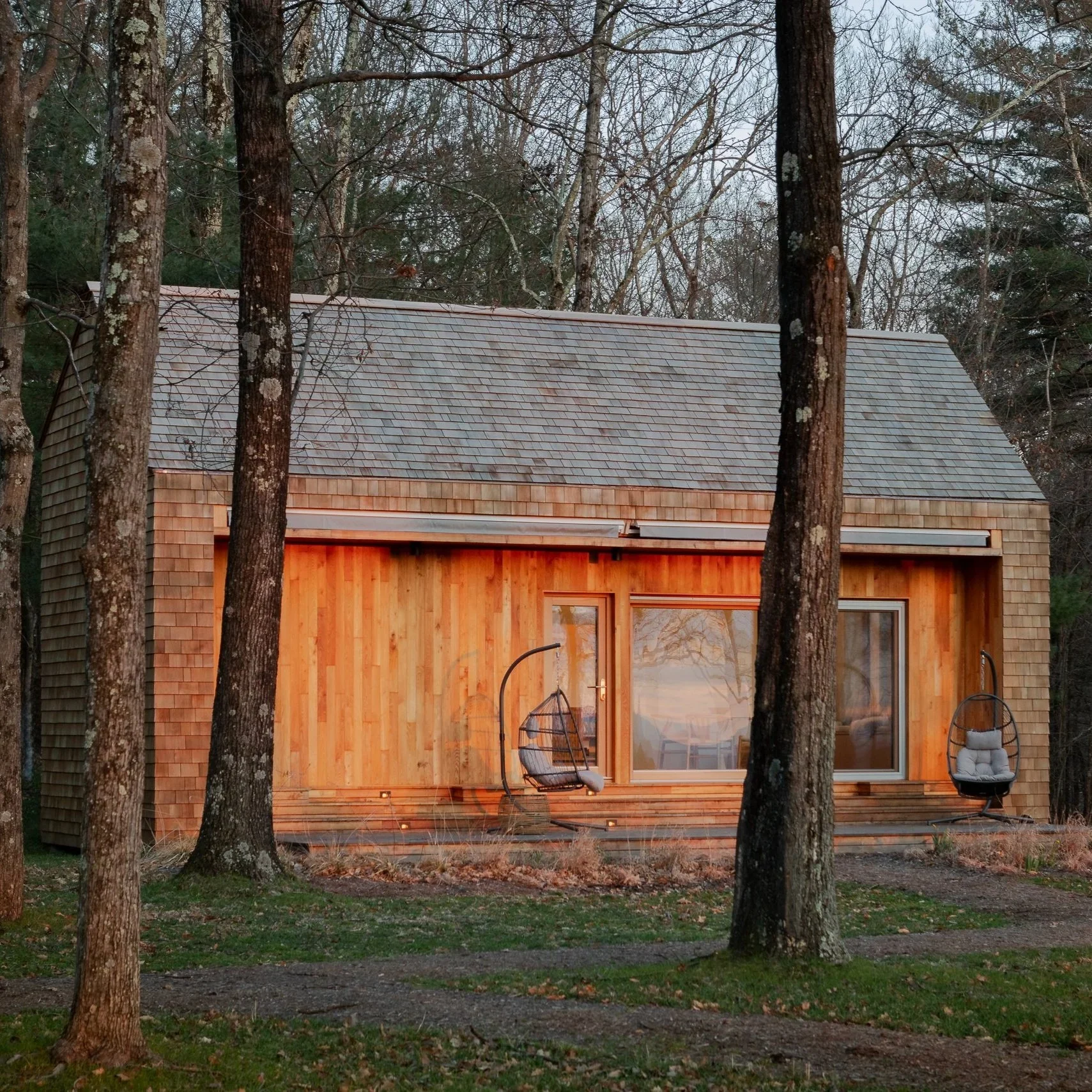
Wally Farms is a 1000-acre working landscape in Columbia County, NY.
“We see a climate-resilient world.” Wally Farms creates entrepreneurial models for climate mitigation and resiliency. Their mission is to explore local approaches to food security, energy independence and steward ownership; and, to share information and experiences to inspire others.
The farm & forest is located on the native homelands of the Stockbridge-Munsee Mohican People.
What is Climate Farm School?
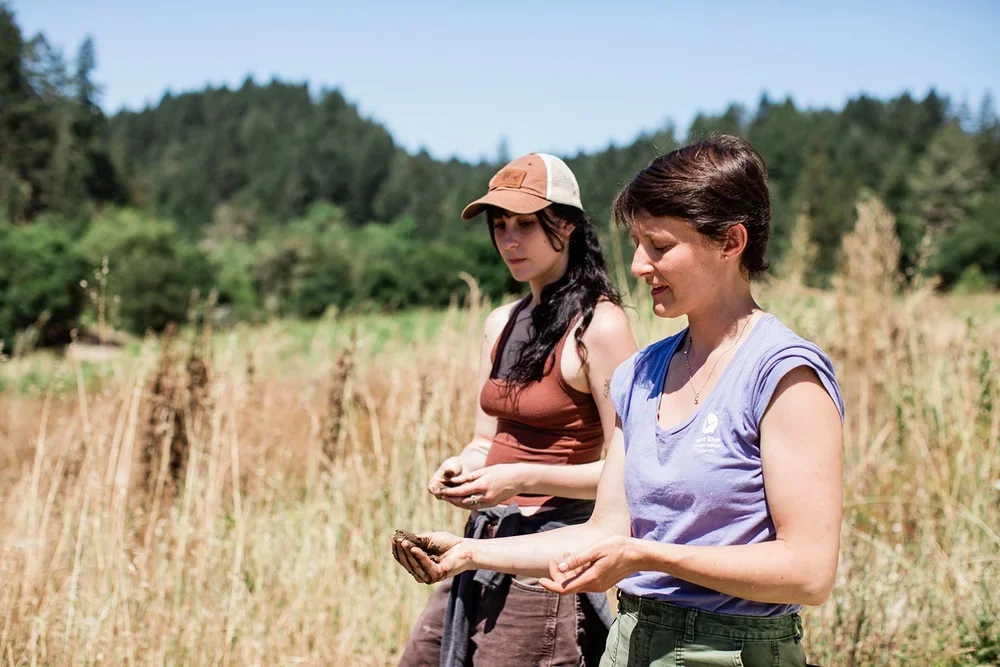
Climate Farm School is an on-farm, evidence-based, farmer-led educational experience for people ready to participate in food systems transformation. Our educational pedagogy centers on experiential learning, farmer empowerment, diversified food system stakeholder collaboration, and ecosystem restoration to address climate change.
We’ve had over 350+ participants join our programs, hosted at our farm partners globally: in the US nationwide from Paicines Ranch in California to Hawthorne Valley Farm in New York’s Hudson Valley, to our European partners such as La Junquera in Spain, Spannocchia in Italy and Ballymaloe in Ireland.
Climate Farm School is a project of Ideagarden Institute, a 501c3 non-profit and a 1% for the Planet environmental partner.
Who should attend this program?
Investing in a Resilient Food System is a 2.5-day, 2-night on-farm and land-based educational experience for funders and investors, looking for innovative and new ways to deploy capital into the food and agriculture systems.
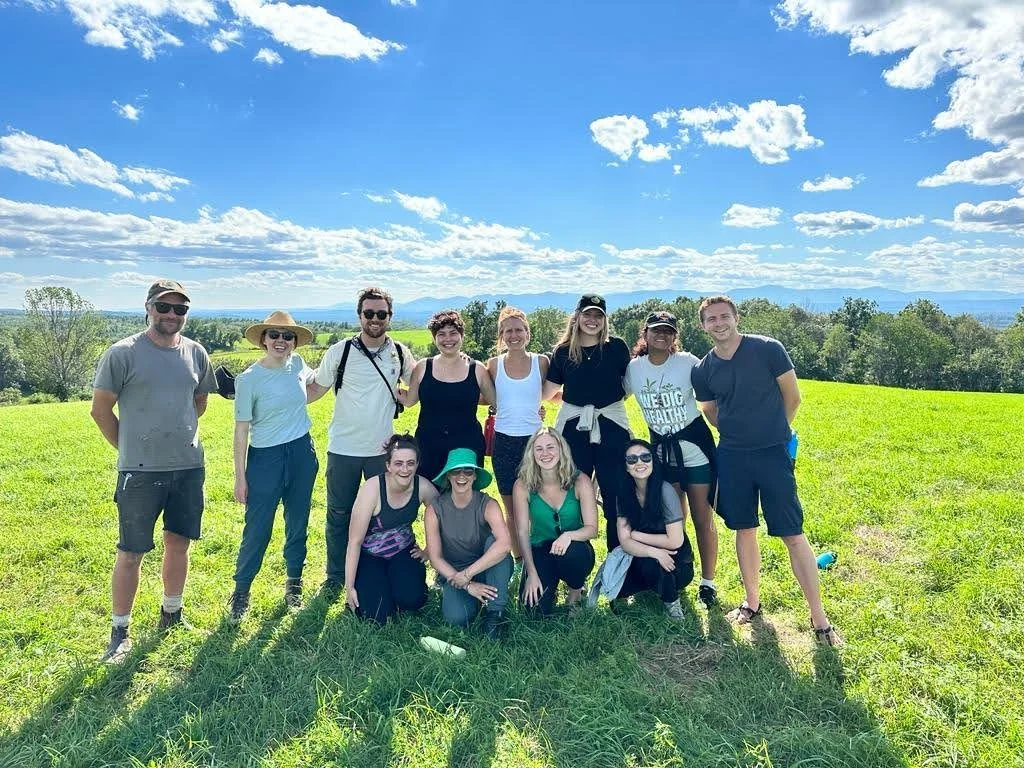
Designed for: philanthropic advisors, foundation program officers, family offices, DAF advisors, impact investors, and community foundations who are interested in an immersive introduction to regenerative agriculture — not through slides or spreadsheets or in a conference room, but through direct relationship with farmers, land stewards, and the people building the next generation of regional food systems. As such, this program is intentionally designed as a small cohort for 7 participants.
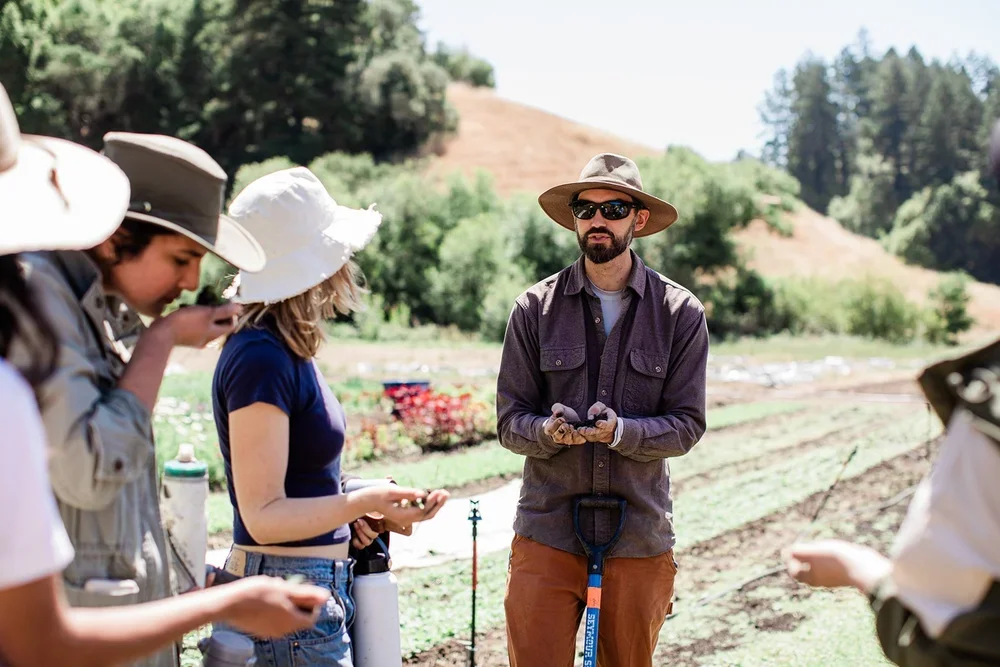
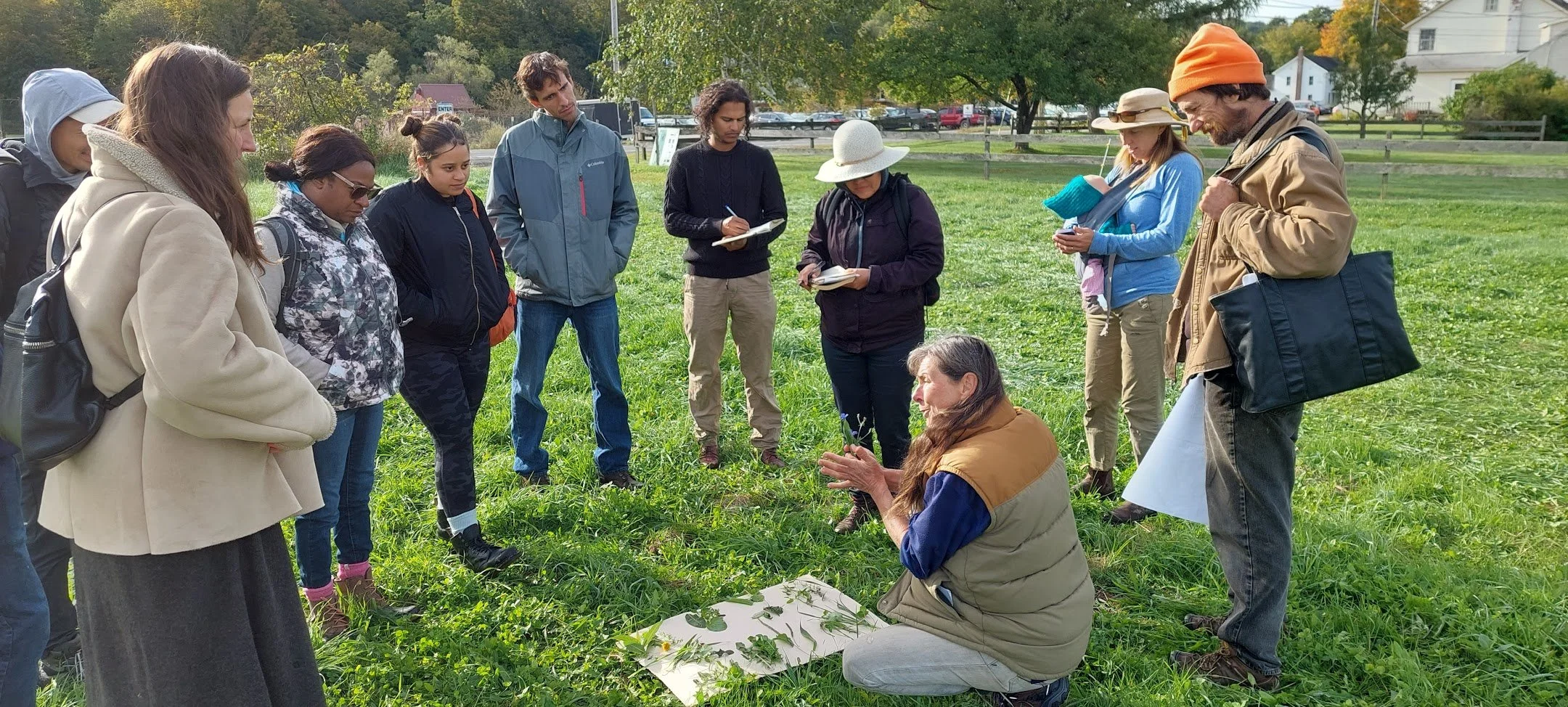
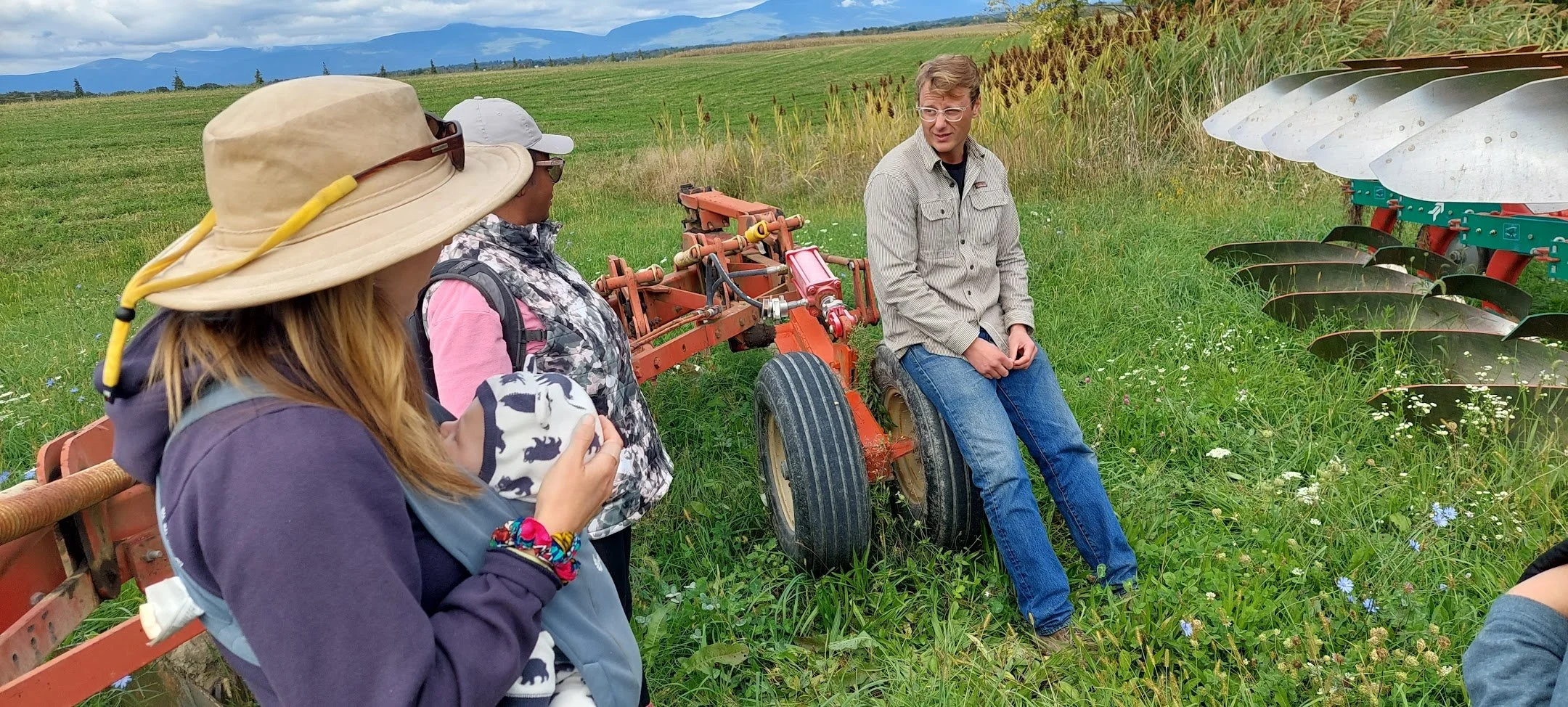
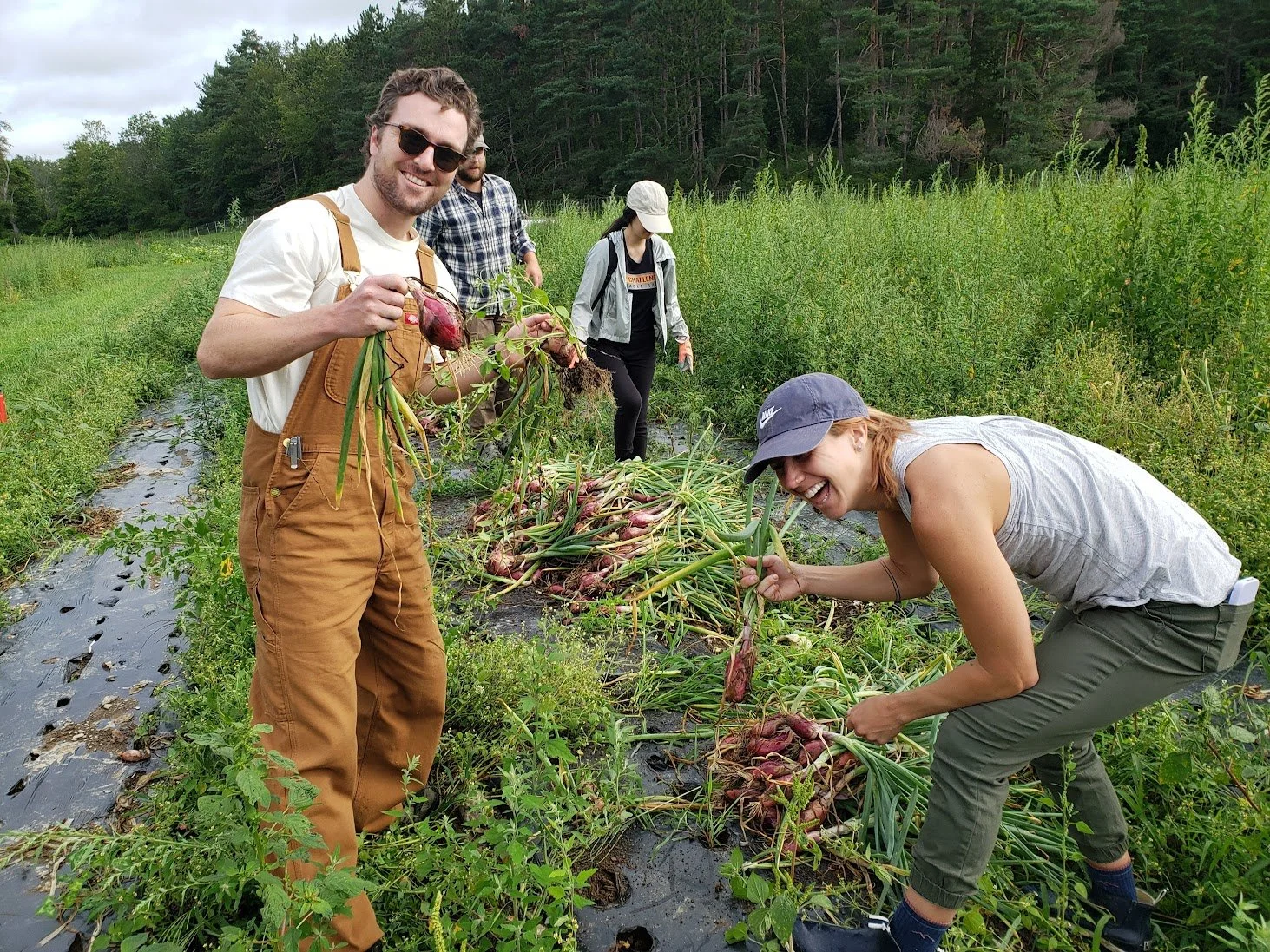
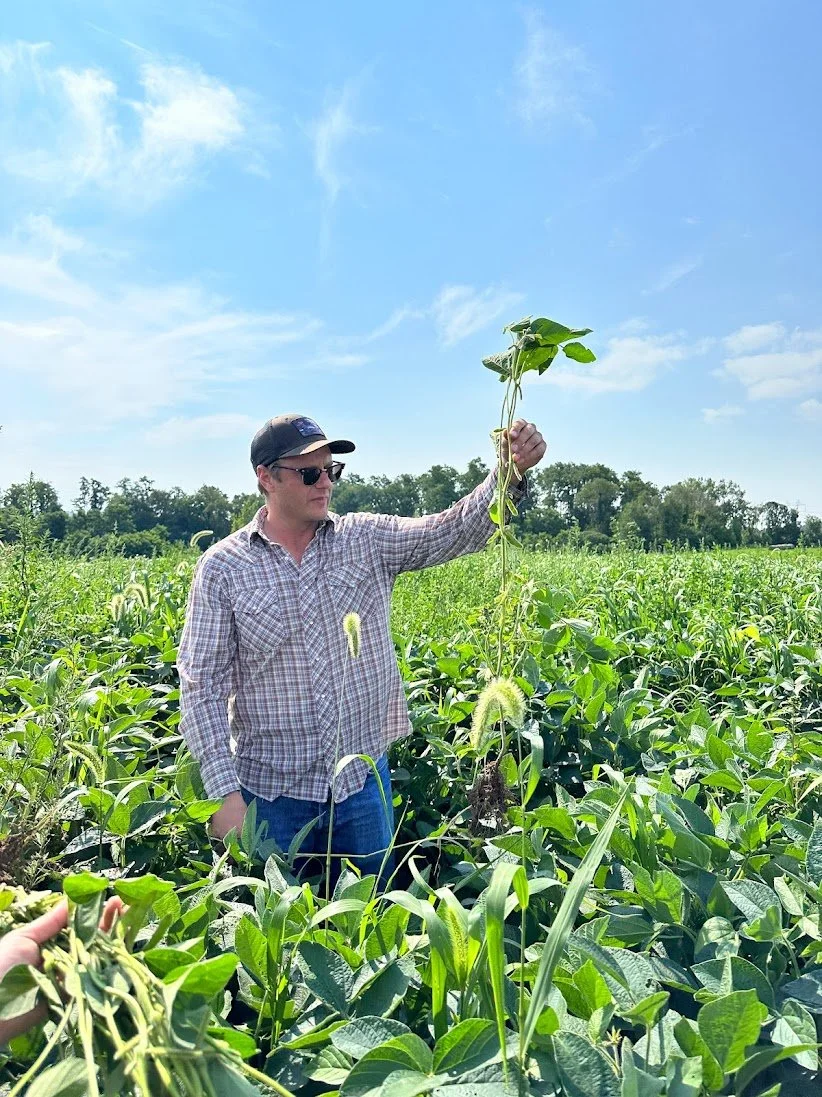
What we’ll do: participants will get their hands in the soil, share meals cooked from local farm harvests, and hear directly from the farmers, funders, and intermediaries who are doing this work. The goal is not to leave with a term sheet — it's to leave with the grounding, vocabulary, relationships, and confidence to begin moving capital in ways that are good for land, farmers, and communities.
There are very few spaces designed for the funder who is just starting to ask: what does it actually mean to invest in a resilient food system — and how do I begin? And almost none that bring funders directly to the land.
This is a paradigm shift: going beyond the standard returns framework for funders and reimagining how philanthropic capital can move into this space in a way that benefits farmers and land first.
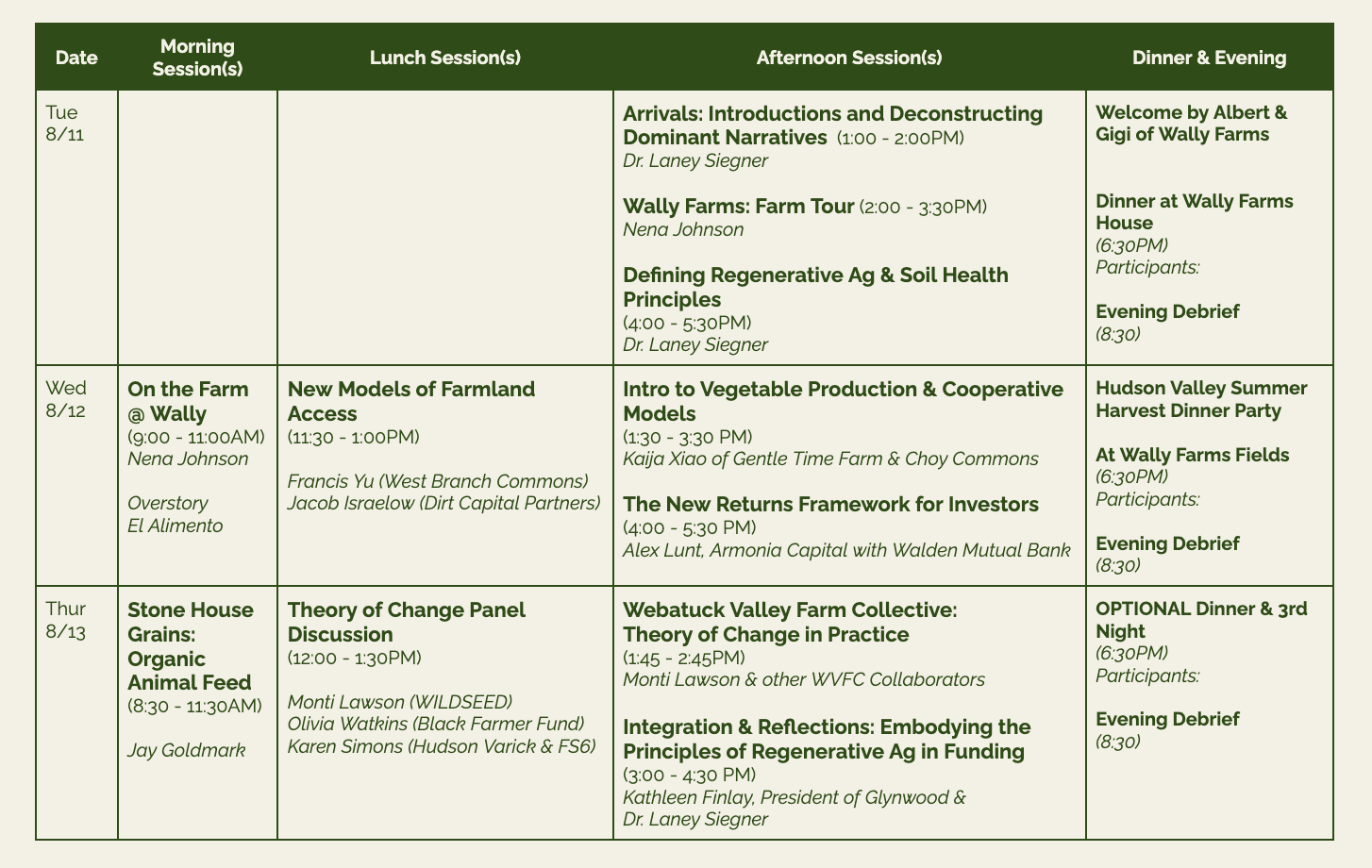
Schedule:
Day 1: Tuesday, Aug 11; arrivals by 1pm
Day 2: Wednesday, Aug 12 - “What Today’s Farmers Need for Tomorrow’s Future”
Day 3: Thursday, Aug 13 - “Re-Regionalizing Food Systems”; departures by 5pm
Optional additional night stay to depart Friday, Aug 14 morning
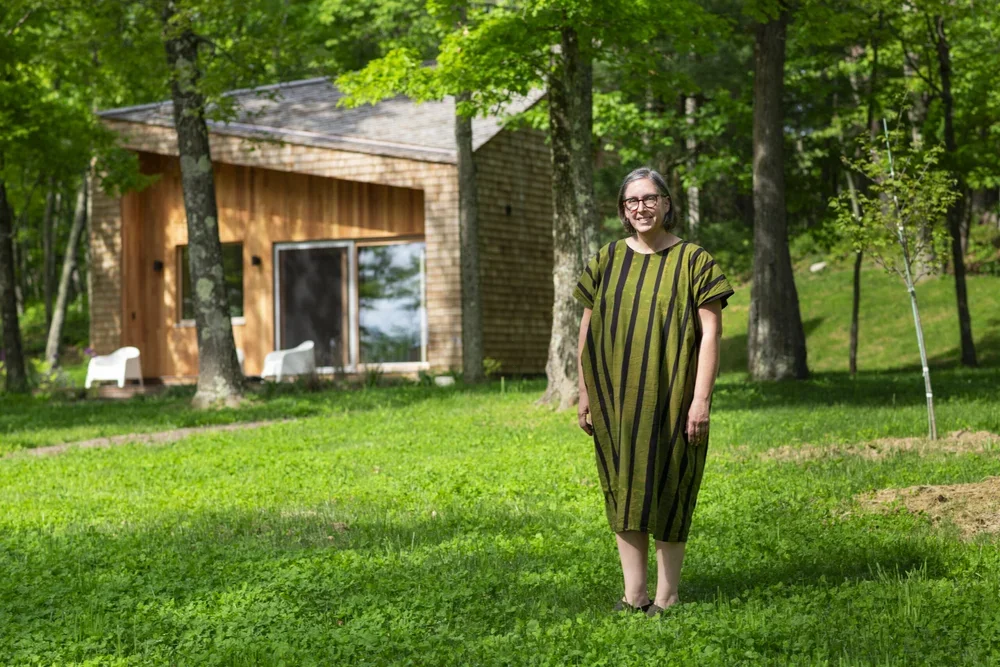
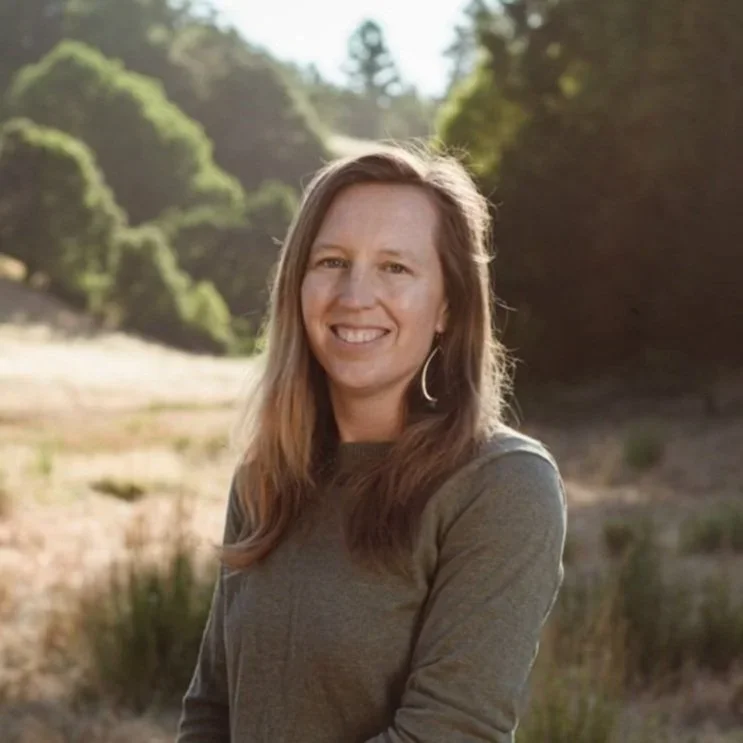
Dr. Laney Siegner is the Executive Director & Founder of Climate Farm School. Prior to its founding, she was the Director of Academic Programs at Terra.do where she led curriculum development.
She completed her Ph.D. at the U.C. Berkeley Energy and Resources Group in 2020 where she researched sustainable, agroecological food systems and climate change education, and spent several summers working on regenerative farms while completing her dissertation.
She has published book chapters on teaching climate change in the U.S. K-12 classrooms and on conducting participatory agroecology research. Prior to attending graduate school, she worked as a middle school teaching fellow for 2 years in Boston, MA as part of an AmeriCorps National Teaching Fellowship.
She is a published author and experienced speaker, most notably on the topic of soil literacy at TEDxBoston. Originally from the East Coast, she now lives on a farm in Sonoma County, California.
Program Instructors
Nena Johnson is the Managing Director at Wally Farms, backed by over twenty years of unwavering dedication to sustainable food production and land stewardship. Prior to Wally Farms, Nena held pivotal roles in the sustainable agriculture sector, including leading the Texas Farmers' Markets through the COVID-19 pandemic, co-founding the women-owned and led granola company Sweet Deliverance, and managing the NYS Sheep & Wool Festival. Notably, her tenure at Stone Barns Center for Food and Agriculture was a defining period where she spearheaded the Growing Farmers Initiative and the National Young Farmers Conference, both aimed at nurturing the next generation of farmers.
Nena's academic pursuits took her to the Royal Agricultural University in England, where she earned an MBA in Advanced Farm Management. Her dissertation delved into the business models for new entrants in small-scale vegetable production in the UK, showcasing her commitment to practical and sustainable farming solutions. Additionally, she manages her family's farm in the Andes of Ecuador, which includes a variety of livestock and demonstrates her hands-on approach to agriculture.
Program Schedule & Speakers
Projects at Wally Farms
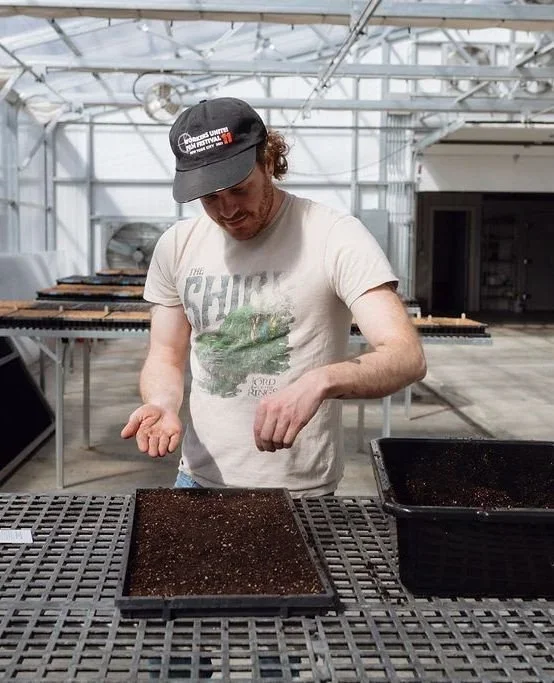
At the core of their programs are individuals deeply connected to the land and dedicated to nurturing it for generations to come. Not just a group; but a tight-knit community, constantly evolving and embracing change.
Currently, Wally Farms is home to:
El Alimento (seed farm)
From Below Farm (pastured poultry)
Far Out Container Farm (hydroponic greens and value added)
Apis Apotheca(farm to facial botanical skin care)
Carbon Sponge Project (sorghum)
Overstory Goods (forest farmed mushrooms made into Biome Broth)
Tend & Gather (agroforestry & ecological land care)
They are more than just a farming initiative; Wally Farms is an experimental farming incubator. Their primary goal is to foster a collective of passionate farmers who are empowered to develop sustainable and regenerative agricultural practices. Wally Farms firmly believes in the power of technology and actionable steps to protect our climate. Through their journey, they aim to not only learn and grow but to share our experiences and joy with our cherished community.
The landscape and collective include: a Farm Entrepreneur Accelerator Program, a developing steward ownership mode, a laboratory for tech and regenerative agriculture and short-term rental properties / retreats and events space.

What’s special about Climate Farm School at Wally Farms?
This is the only Climate Farm School hosted at a farm with an active steward ownership model. Land access and capital access are integral topics in the conversation of transforming food systems, and specifically as they relate to supporting first-gen regenerative farmers; and/or multi-generational farmers transitioning from conventional to organic to regenerative agricultural practices.
Our course at Wally Farms is designed for funders & investors who want to expand their foundational understanding of food systems, regenerative agriculture & climate resiliency — and to see varying examples ranging from Indigenous practices to tech-forward solutions.
Join us at Wally Farms
Secure your spot:
(All lodging & meals included)
We welcome any additional contribution to support making our farm-based programming as accessible as possible to a wide range of audiences.
Our courses are designed to ensure that we maintain fair compensation for our partner farms and that 30-40% of our operating expenses go directly towards regenerative farms.

Other Resources for Funders
FORA (Funders for Regenerative Agriculture): A five-year initiative creating affiliations with multiple funder networks to inform, educate, organize, provide collaborative opportunities, and recruit new members in support of regenerative agricultural systems.
SAFSF (Sustainable Agriculture & Food Systems Funders): A network of approximately 100 individual investors, regranting organizations, community foundations, and foundations operating throughout the U.S. and abroad.
RFSI (Regenerative Food Systems Initiative): Tracks quarterly investment data across venture, equity, debt, and philanthropic capital—providing intelligence on where money is actually flowing.
“Financing for Regenerative Agriculture”: Report co-written and published by The Rockefeller Foundation, Transformational Investing in Food Systems (TIFS) and Pollination. Though knowledge on investing in regenerative food systems is growing, it remains fragmented. This report organises existing information, describes pathways for investors, and provides illustrative examples of investment mechanisms to deploy capital in regenerative agriculture.
“Investing in Regenerative Agriculture - Reflections from the Past Decade”: Report written and published by SLM Partners. This paper sets out the investment and environmental case for regenerative agriculture, while also highlighting the risks and challenges.
Interested but have questions?
Contact Megan Wang, Climate Farm School Hudson Valley Regional Lead